What Swachhata Hi Seva 2026 Gets Right About Cleanliness and Green Cover
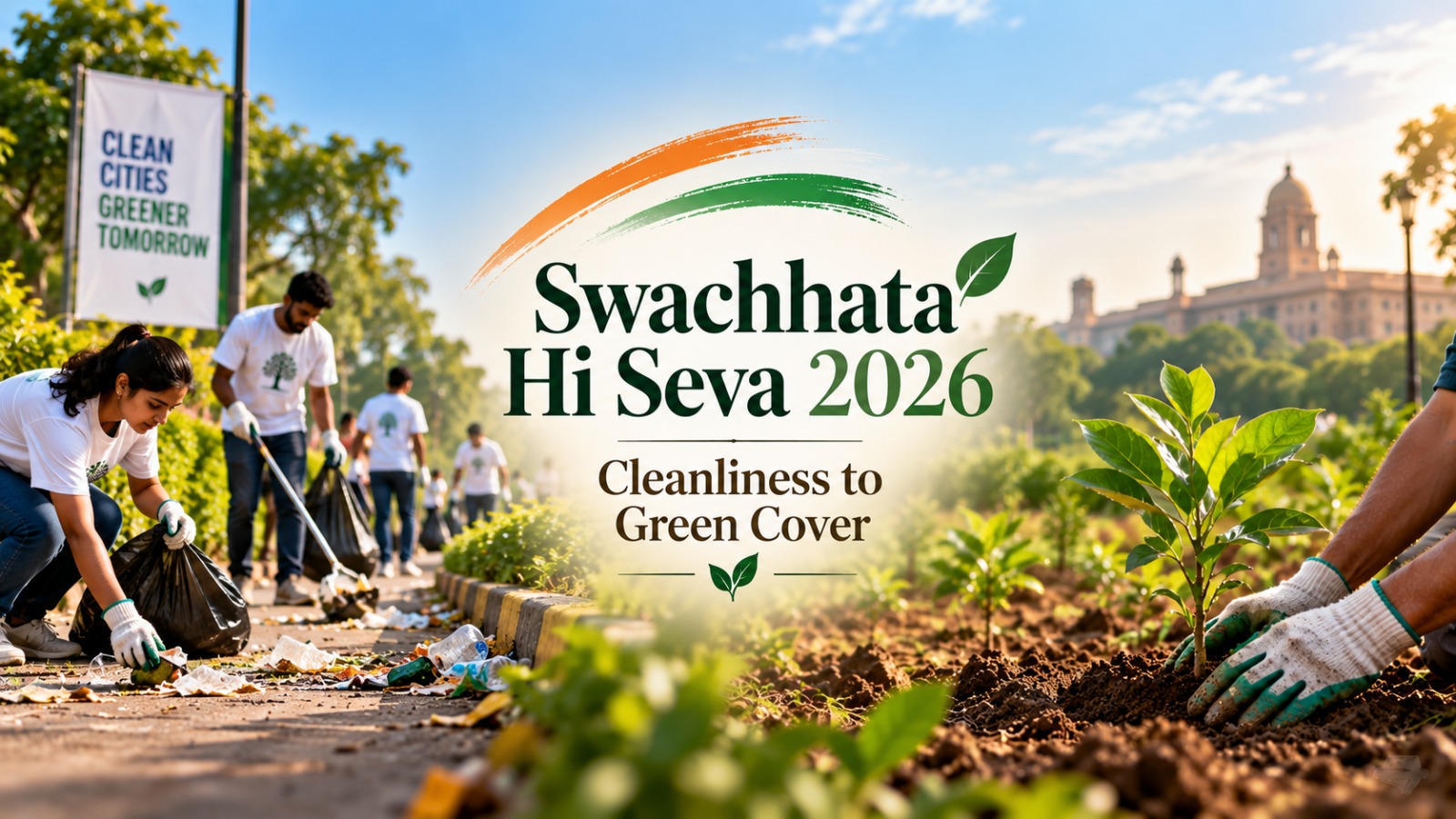
Swachhata Hi Seva 2026 ran nationwide from September 17 to October 2, pulling in cleanliness drives, youth programmes, and sanitation worker initiatives across the country. Buried inside that campaign, on its final day, was something we found genuinely validating: a nationwide push tying cleanliness directly to tree plantation, under the Ek Ped Maa Ke Naam initiative.
We didn't need convincing. We'd already made that exact connection, at a much smaller scale, back in 2014.
What Swachhata Hi Seva 2026 Actually Involved
Swachhata Hi Seva has run every year since 2017, organised in the lead-up to Swachh Bharat Diwas on October 2. This year's edition carried the theme “Swachhata Mein Sahbhag; Swachh Bharat, Viksit Bharat” and was jointly run by the Department of Drinking Water and Sanitation and the Department of Urban Development, built around five pillars: cleaning target units, youth engagement through Swachh Paathshala, support for sanitation workers, strengthening citizen participation, and promoting waste-to-wealth initiatives.
The campaign culminated in two specific moments. On October 1, a nationwide collective cleanliness effort called “Ek Din, Ek Ghanta, Ek Saath” (one day, one hour, together) brought citizens out simultaneously across the country. The next day, October 2, combined Swachh Bharat Diwas with Gandhi Jayanti and included Ek Ped Maa Ke Naam tree plantation activities as part of the day's programming.
That pairing — cleanliness on one day and tree plantation the next — isn't a coincidence. It reflects something the campaign's organisers clearly understand: a clean city and a green city are the same project, not two separate ones.
Why This Order Matters: Cleanliness First, Then Green Cover
Here's the part that caught our attention specifically. Swachhata Hi Seva doesn't start with tree plantation. It starts with cleanliness, and tree plantation comes later, almost as the natural next step once the groundwork is laid.
That's precisely the order CATCH Foundation followed, by necessity rather than by any grand plan, starting in 2014. We launched as a cleanliness drive in one housing society in Motera, Ahmedabad, teaching households to separate wet and dry waste at the source. Trees weren't part of the plan yet. It took time working on waste and habits before tree plantation became the obvious next step, because clean soil, better waste management, and healthier urban ecosystems are what actually make tree plantation sustainable in the first place.
Seeing a national campaign land on the same sequence, a decade after we stumbled into it locally, is a strong signal that the connection isn't incidental. Cities that skip straight to tree plantation without addressing the waste and pollution underneath those trees are building on a shakier foundation.
Ek Ped Maa Ke Naam: The Part That Overlaps Directly With Our Work
Ek Ped Maa Ke Naam, the tree plantation initiative folded into this year's Swachhata Hi Seva closing events, asks people to plant a tree in their mother's name. It's a simple, emotionally resonant framing, and it's exactly the kind of personal, individual-level tree planting that Catch Your Tree was already built around before the campaign tied a national name to it.
The overlap here isn't just thematic. Every tree adopted through our platform already comes with a dedicated recipient, whether that's the adopter themselves or someone they're gifting it to, along with a geo-tagged location and a digital certificate. A tree planted for Ek Ped Maa Ke Naam and a tree gifted through Catch Your Tree are solving the same problem from two different directions: making tree plantation personal instead of anonymous.
What a Month-Long Cleanliness Campaign Teaches About Tree Survival
One detail from Swachhata Hi Seva's structure is worth pulling out specifically: the campaign ran for roughly two weeks, with sustained daily activity, not a single event. That matches something we've said in nearly every piece we've written about tree plantation. A one-day drive rarely produces lasting results, whether you're talking about cleanliness or trees.
Swachhata Hi Seva's five-pillar structure, including ongoing youth engagement and ongoing worker support, mirrors the maintenance window every tree plantation project needs to actually work. We use our own process, कैच – वन संरक्षण प्रणाली, built on the Miyawaki method, specifically because soil preparation and two to three years of active care matter far more than the planting day itself. A campaign that understands this for cleanliness is a campaign that's likely to understand it for trees too.
Where Government Campaigns and Organisations Like Ours Fit Together
It's worth being clear about what a campaign like Swachhata Hi Seva can and can't do on its own. A nationwide push mobilises enormous numbers — last year's edition saw participation from over 18 crore citizens, including 14 crore from rural areas — and that kind of scale is genuinely valuable for building awareness and shifting habits across the country.
What it can't do, by design, is track the three-year survival of every individual tree planted during a two-week national window. That's where organisations working at the ground level come in, not as a replacement for government campaigns, but as the layer that follows through after the national attention moves on to the next initiative. Our work in Ahmedabad, and the broader CATCH Foundation network across 30 cities, exists specifically to carry that follow-through forward long after any single campaign ends.
Our Own Version of This Story
We'd mentioned this briefly, but it's worth stating plainly: we were already living this exact arc years before Swachhata Hi Seva tied cleanliness and green cover together at a national level. Our founder started with a single housing society cleanliness drive in Motera in 2014. That grew into a citizen network across 250+ societies and 15,000+ families in Ahmedabad, and eventually into the tree plantation work that's planted over 12.8 lakh trees across 30 cities.
The sequence wasn't planned out in advance. It emerged the same way the campaign's own structure suggests it should: cleanliness habits first, because they're achievable and visible quickly, then tree plantation once there was a foundation of community participation to build on.
What This Means If You're Thinking About Getting Involved
If a campaign like Swachhata Hi Seva got you thinking about tree plantation for the first time, the gap between a national one-day event and lasting impact is exactly what you should be asking about before committing your time or money anywhere. Look for organisations that track survival rates beyond the planting day, that can tell you where specifically your tree is located, and that have a track record stretching back further than a single campaign cycle.
Our own current project, Ashok Chakra Van in Ahmedabad, working toward 30,000 trees, follows the same process regardless of whether a national campaign is in the news that week or not. That consistency, not the news cycle, is what actually grows a forest.
Frequently Asked Questions
What is Swachhata Hi Seva 2026?
Swachhata Hi Seva 2026 was a nationwide cleanliness campaign run from September 17 to October 2, 2026, organised annually since 2017 ahead of Swachh Bharat Diwas, focused on citizen participation in sanitation and waste management.
How are Swachhata Hi Seva and Ek Ped Maa Ke Naam connected?
Ek Ped Maa Ke Naam tree plantation activities were included as part of the October 2, 2026 Swachh Bharat Diwas programming that closed out the Swachhata Hi Seva campaign, linking cleanliness initiatives directly to tree plantation.
Why does cleanliness usually come before tree plantation in these campaigns?
Cleanliness and waste management create the foundation — healthier soil, reduced pollution, and community participation — that makes tree plantation more likely to succeed, which is why many successful initiatives build in that order rather than starting with trees alone.
Did CATCH Foundation start with cleanliness or tree plantation?
CATCH Foundation started as a cleanliness drive in one Ahmedabad housing society in 2014, teaching waste segregation, before expanding into tree plantation years later, following a similar sequence to what Swachhata Hi Seva follows nationally.
Can individuals still plant a tree in their mother's name outside the official campaign window?
Yes. Tree adoption platforms like Catch Your Tree allow individuals to adopt or gift a tree in someone's name at any time of year, with a certificate and geo-tagged location, independent of any specific campaign's dates.
How many people participated in Swachhata Hi Seva in previous years?
The 2025 edition of Swachhata Hi Seva saw participation from over 18 crore citizens nationwide, including roughly 14 crore participants from rural areas.
Carry the Habit Forward
National campaigns create the moment. What happens after is up to the rest of us. If Ek Ped Maa Ke Naam or Swachhata Hi Seva got you thinking about planting a tree, you can adopt one today and get its exact location, a digital certificate, and three years of real, tracked care.


